Call anytime

Call anytime
Write email
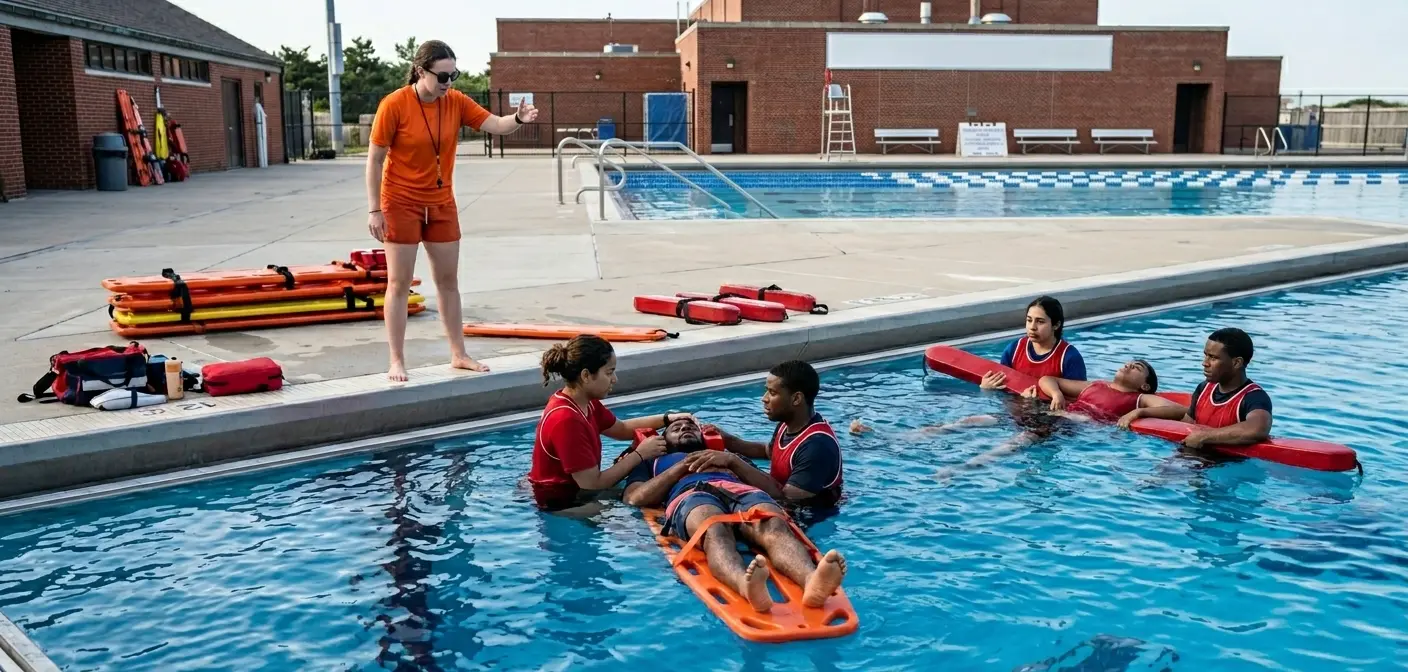
How to become a swim instructor: pass a swim instructor certification course, which certifies you to teach swimming. You do not need a lifeguard certification first, and you do not need to be a competitive swimmer. You do need to swim the main strokes well enough to demonstrate and correct them, because your own technique is assessed during the course.
The course is about teaching, not about swimming faster. Learning how to become a swim instructor means learning to break a stroke into pieces a nervous six year old can actually attempt:
No. This is the single most common misconception about how to become a swim instructor. Lifeguarding and instructing are independent certifications. Plenty of people hold both, because the combination makes for reliable year-round work, but neither is a prerequisite for the other.
Swim instructors in New York typically earn $30 to $40 per hour, against $20 to $25 for guarding. Indoor pools mean the work does not stop in September, and you can teach independently rather than only as somebody’s employee. Pairing it with a lifeguard certification is how a lot of instructors keep income steady across the winter.
The certification course itself is short and intensive rather than spread across months. See course dates for scheduled sessions.
Typically 16 is the minimum age for certification. Some employers set a higher age for independent teaching, so check the facility as well as the certification.
Competent and correct across the main strokes, not fast. You are being trained to demonstrate and correct technique, so stroke quality is assessed, but nobody is timing you.
Yes. They are separate certifications and neither requires the other.
See swim instructor certification cost in New York for current pricing.
Ready to start? Read about the swim instructor certification course in New York, or call +1 (718) 954-5567.
How to become a swim instructor is $450 for a single full day, 10:00 AM to 8:30 PM. Swim instructors in New York typically earn $30 to $40 per hour, against $20 to $25 for guarding.
No. Teaching and guarding are independent credentials, and neither is a prerequisite for the other. Many people hold both because it keeps work steady year-round.
Competent across the main strokes rather than fast. You are trained to demonstrate and correct technique, so your own stroke quality is assessed.
Last updated: