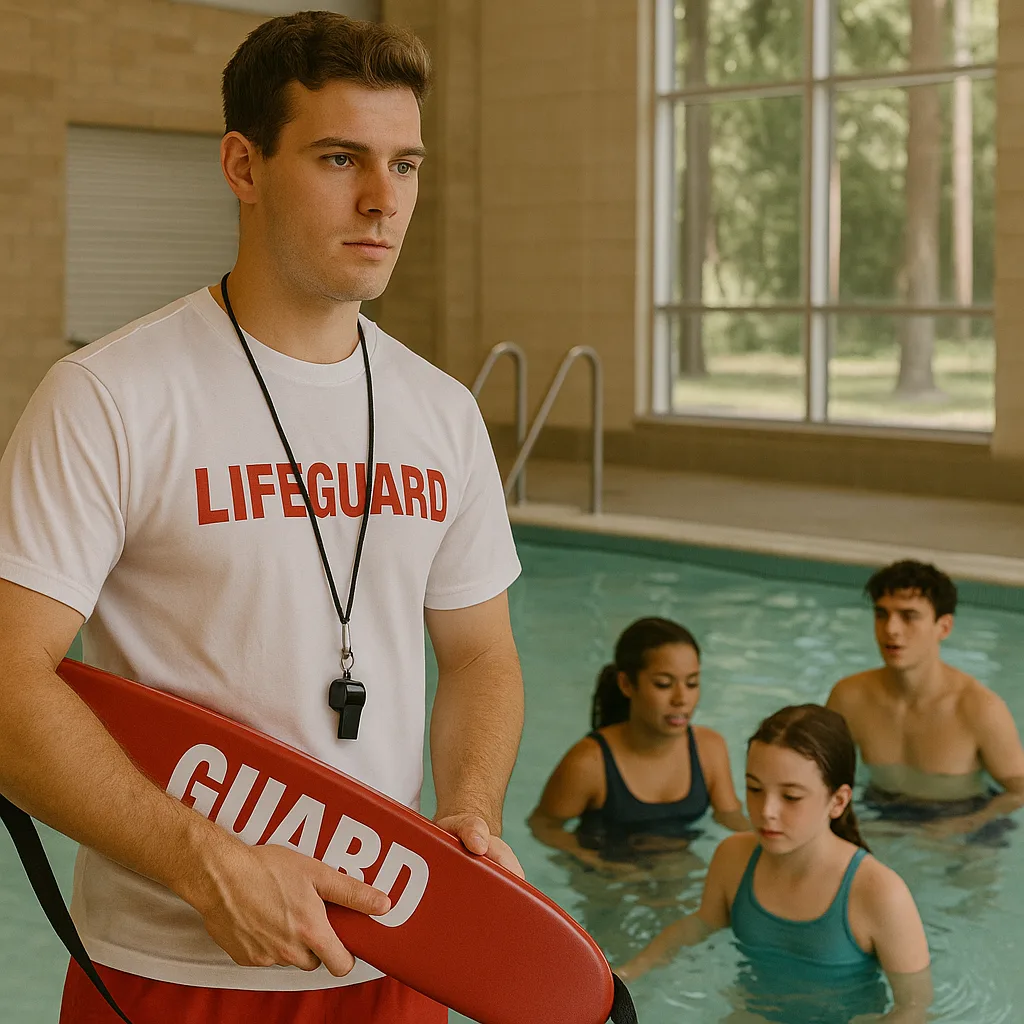
Shallow Pool Lifeguarding

Introduction to Shallow Pool Lifeguarding

So, what’s the deal with shallow pools? They might look harmless, but don’t be fooled, shallow pools can be deceptively dangerous. As a lifeguard, your job in these low-depth zones is no less critical than at deeper pools or open water. In fact, in many ways, it’s even more demanding.

What Qualifies as a Shallow Pool?

Generally, any pool with a depth of 5 feet (1.5 meters) or less falls under the “shallow” category. These are commonly found at:

Why Specialized Lifeguarding Is Required

Shallow doesn’t mean safe. Injuries happen quickly, often due to slips, falls, or rough play. These areas are usually crowded and filled with children or non-swimmers, the very people most at risk.

Responsibilities of a Shallow Pool Lifeguard

Constant Surveillance

You’re not just there to sit with sunglasses on. You need eagle-eye attention at all times. Kids move fast. Accidents happen in seconds.

Crowd Control and Rule Enforcement

It’s your job to prevent unsafe behavior:

Shallow Pool Lifeguarding
Responsibilities of a Shallow Pool Lifeguard

Unique Challenges of Shallow Pools

Fast-Moving Children and Limited Depth

Kids love to run, jump, splash, and tumble, especially in shallow water where they feel “safe.” That combination often leads to head bumps, twisted ankles, and even unconscious slips.

False Sense of Security

Parents often think shallow water is “safe enough,” and they turn their backs. That’s where you step in, with vigilance.

Lifeguard Positioning and Scanning Techniques

Stationary vs. Roving Posts

Depending on pool size, you might:

The 10/20 Rule for Shallow Zones

This rule is simple but critical:

In a shallow pool, that should be easy, if you’re paying attention.

Essential Skills Every Shallow Pool Lifeguard Must Master

Quick Entries

You might not need to dive, but speedy walking or stride entries are essential.

Effective Use of Rescue Tubes

Your rescue tube isn’t just for deep-water floats. In shallow pools, it helps shield your body and control an active rescue without causing further harm.

Emergency Response in Shallow Water

In-Water Spinal Precautions

One of the most common injuries in shallow pools Head and spine impacts. Learn how to stabilize a victim without moving their neck, even in tight, splashy spaces.

Dealing with Slips and Head Injuries

Have a protocol. Watch for:

Sometimes the most dangerous injuries aren’t visible right away.

CPR and First Aid in Shallow Pool Incidents

Modified CPR for Shallow-Water Rescues

If a rescue involves a small child or infant, your CPR technique must adapt:

Minor Injury Treatment (Nosebleeds, Scrapes)

Your first aid kit should be ready at all times. Shallow pools often lead to:

Communication Techniques That Work

Using Whistles and Hand Signals

One long whistle = get out

Two short = look up, pay attention

Be clear. Be consistent. And know your pool’s communication code.

Talking to Children and Parents

Stay calm. Use simple language. If a kid gets hurt:

Preventive Lifeguarding Strategies

Pre-Shift Walkthroughs

OBefore each shift, inspect the area:

Identifying High-Risk Zones

Corners, steps, and edges = common accident zones. Place yourself strategically.

Lifeguard Equipment for Shallow Pools

Must-Have Gear

Rescue tube
Protective gloves

Optional Tools That Help

Real-Life Case Studies of Shallow Pool Rescues

What Went Right

In one case, a lifeguard in a water park noticed a toddler slumped near the stairs, everyone thought the kid was “just playing.” The guard acted instantly. Turns out the child had a minor seizure. Quick action prevented a much worse outcome.

Lessons Learned

Training and Certification Requirements

vs. Ellis Certification

Both are excellent, but Shallow Water Lifeguarding specifically covers depths up to 5 feet. Choose the one your facility requires.

Age and Experience Expectations

Typically:

Visit our registration page to see the schedule and sign up online.

FAQs About Shallow Pool Lifeguarding

Do shallow pools really need a lifeguard?

Absolutely. Shallow pools are often more crowded and chaotic, accidents happen fast.

Head and spine injuries from slips or diving, and children slipping under unnoticed.

Yes, with proper training and awareness. It’s a great place to start.

Through simulation drills, spinal injury practice, and communication skills.

Not at all. It’s dynamic, high-energy, and essential to community safety.

Frequently asked questions about Shallow pool lifeguarding

How much does Shallow pool lifeguarding cost?

Shallow pool lifeguarding is $420 and runs as a single full day, 10:00 AM to 8:30 PM. That price covers lifeguarding certification with First Aid and CPR/AED for the Professional Rescuer.

What are the prerequisites for Shallow pool lifeguarding?

You must be at least 15 years old on or before the final session, and pass a prerequisite swim evaluation on the day: a timed swim, treading water without using your hands, and retrieving a brick from the pool bottom.

How long does the certification from Shallow pool lifeguarding last?

Two years. Renew with a recertification course before it expires, or the full course is required again.

Last updated: